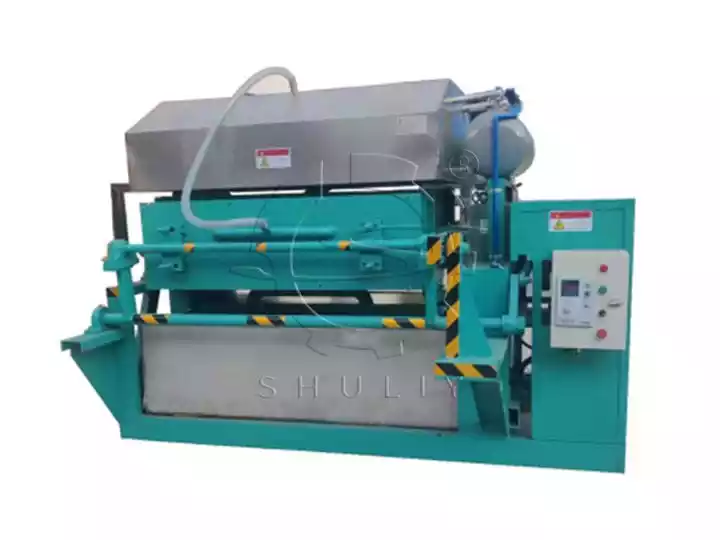
Looking for a छोटी अंडे की ट्रे मशीन that combines affordability, efficiency, and eco-friendliness? The Shuliy small-scale egg tray making machine is your ideal solution for starting a sustainable packaging business from home or small farm. With a production capacity of 1000-1500 pieces per hour, this compact अंडा कार्टन मशीन transforms waste paper into high-quality, biodegradable egg trays—perfect for small poultry farms, home-based entrepreneurs, and eco-conscious businesses.
Unlike traditional packaging equipment, this मिनी अंडा ट्रे मशीन offers exceptional value with its space-saving design (just 2.6×2.2×1.9 meters for the 1000pcs/h model) and low operating costs. The machine features automated molding processes that ensure consistent tray quality while requiring only 2-3 workers for complete operation. Whether you’re packaging eggs from your backyard chicken coop or launching a small-scale pulp molding business, this equipment provides the perfect entry point into the growing sustainable packaging market. For businesses planning to scale up, you can easily upgrade to a Medium Egg Carton Making Machine for farms with 2000-3000pcs/h capacity.
According to the U.S. Environmental Protection Agency, paper product recycling at the small business level significantly reduces landfill waste and environmental impact. The Food and Agriculture Organization (FAO) also emphasizes the importance of sustainable packaging in modern food value chains. With global paper recycling rates exceeding 68% in developed nations (Statista), investing in pulp molding technology positions your business at the forefront of the circular economy.
अपने व्यवसाय के लिए छोटे अंडा ट्रे मशीन क्यों चुनें?
एक छोटी-स्तरीय अंडा ट्रे मशीन में निवेश करने के कई लाभ हैं। शुली की मशीनें सफलतापूर्वक 30 से अधिक देशों में निर्यात की गई हैं, जिनमें दक्षिण अफ्रीका, केन्या, इंडोनेशिया, ब्राजील, और बांग्लादेश शामिल हैं, जिन्होंने अनगिनत ग्राहकों को लाभकारी, पर्यावरण के अनुकूल पैकेजिंग व्यवसाय बनाने में मदद की है।
- कम प्रारंभिक निवेश: सस्ती शुरुआत के लिए अंडा ट्रे उत्पादन व्यवसाय शुरू करने का अवसर। संपूर्ण उपकरण पैकेज औद्योगिक स्तर की तुलना में काफी कम लागत में उपलब्ध है, जिससे यह पहली बार उद्यमियों के लिए सुलभ है।
- कॉम्पैक्ट फुटप्रिंट: न्यूनतम फैक्ट्री स्थान की आवश्यकता (1000 पीस/घंटा मॉडल के लिए 2600×2200×1900 मिमी, 1500 पीस/घंटा मॉडल के लिए 2800×2200×1900 मिमी)। घरेलू कार्यशालाओं, छोटे फार्म भवनों, या सीमित क्षेत्र वाले किराए के औद्योगिक स्थानों के लिए आदर्श।
- त्वरित ROI: उत्पादन क्षमता 1000-1500 पीस प्रति घंटे और कम परिचालन लागत (लगभग $15-25 प्रति दिन, जिसमें बिजली, पानी, और श्रम शामिल हैं) के साथ, अधिकांश ग्राहक 12-18 महीनों के भीतर निवेश पर लाभ प्राप्त कर लेते हैं। मध्यम उत्पादन क्षमता स्थानीय बाजार की मांग को कुशलतापूर्वक पूरा करती है, अधिक उत्पादन जोखिम से बचते हुए। विस्तृत लाभप्रदता विश्लेषण के लिए, हमारे लेख को पढ़ें। अंडा ट्रे निर्माण लाभप्रदता.
- पर्यावरण के अनुकूल उत्पादन: कचरे के कागज़ (अखबार, कार्डबोर्ड, कार्यालय कागज़) को स्थायी पैकेजिंग समाधानों में परिवर्तित करता है। प्रत्येक घंटे में लगभग 80-120 किलोग्राम कचरे का पुनर्चक्रण करता है, पर्यावरण संरक्षण में योगदान देता है और लाभ भी कमाता है।
- आसान संचालन: केवल 2-3 श्रमिकों की आवश्यकता होती है, जिसमें कच्चे माल की feeding, मोल्डिंग, और उत्पाद संग्रह शामिल हैं। PLC नियंत्रण पैनल संचालन को आसान बनाता है, और व्यापक प्रशिक्षण से जल्दी महारत हासिल की जा सकती है।
- बहुमुखी अनुप्रयोग: विभिन्न मोल्ड बदलकर अंडा ट्रे, फल ट्रे, कॉफी कप ट्रे आदि का उत्पादन करता है। अधिकतम ट्रे की ऊंचाई 8 सेमी है, जो विभिन्न उत्पाद आकारों के लिए उपयुक्त है, आपके बाजार अवसरों का विस्तार करता है।
- शुली ब्रांड के लाभ: 10 वर्षों से अधिक विनिर्माण अनुभव, CE प्रमाणन, व्यापक बिक्री के बाद समर्थन, और जीवनकाल तकनीकी परामर्श। सभी मशीनें शिपमेंट से पहले कठोर गुणवत्ता परीक्षण से गुजरती हैं।
छोटे अंडा ट्रे उत्पादन के लिए कच्चे माल
When processing pulp egg trays, raw materials are carefully selected and proportioned according to the characteristics and objectives of the product to obtain pulp suitable for production requirements. Sustainable sourcing practices align with FAO guidelines for sustainable food value chains, ensuring both quality and environmental responsibility.
अपशिष्ट कागज़ की पुनर्चक्रण और पुन: उपयोग को संसाधित करने का एक वांछनीय विकल्प माना जाता है ताकि संसाधनों की बर्बादी और पर्यावरणीय प्रभाव को कम किया जा सके, सतत विकास और पर्यावरणीय विचारों को ध्यान में रखते हुए। पल्प अंडा ट्रे के लिए कच्चा माल मुख्य रूप से पल्प है, जिसे विभिन्न स्रोतों से बनाया जा सकता है।
नीचे सबसे सामान्य रूप से उपयोग किए जाने वाले कच्चे माल हैं:
- अपशिष्ट कागज़: यह मुख्य कच्चा माल है, जिसमें समाचार पत्र, किताबें, कार्डबोर्ड बॉक्स, कागज़ के बैग, कार्यालय कागज़, पत्रिकाएँ और अन्य कागज़ उत्पाद शामिल हैं। के अनुसार Statista डेटा, कागज़ की पुनर्चक्रण दर विकसित देशों में 68% से अधिक हो सकती है, जो इस दृष्टिकोण की स्थिरता को दर्शाता है।
- लकड़ी का पल्प: लकड़ी से बना सेल्युलोज़ पल्प, रासायनिक या यांत्रिक उपचार के बाद। सामान्य प्रकारों में पाइन पल्प, फर पल्प, बिर्च पल्प आदि शामिल हैं। लकड़ी का पल्प आमतौर पर उच्च फाइबर शक्ति और स्थिरता रखता है, जो टिकाऊ पल्प अंडा ट्रे के उत्पादन के लिए उपयुक्त है।
- बांस का पल्प: बांस से बने सेलुलोज़ पल्प, रासायनिक या यांत्रिक उपचार के बाद। बांस का पल्प उत्कृष्ट फाइबर गुणवत्ता और नरमी प्रदान करता है, जो प्रीमियम पल्प अंडा ट्रे और अन्य कागज़ उत्पादों के लिए उपयुक्त है, क्योंकि बांस तेजी से बढ़ने वाला और स्थायी है।
- गेहूं का भूसा पल्प: गेहूं के भूसे और अन्य फसलें के भूसे से विशेष उपचार के बाद। गेहूं का भूसा पल्प कुछ ताकत और बनावट रखता है, जो डिस्पोजेबल पल्प अंडा ट्रे और अन्य उत्पादों के उत्पादन के लिए उपयुक्त है, और कृषि अपशिष्ट के उपयोग का समर्थन करता है।
तैयार उत्पाद जिन्हें एक छोटी अंडा ट्रे मशीन द्वारा संसाधित किया जा सकता है
इस छोटी अंडे की ट्रे मशीन का उपयोग कई उद्देश्यों के लिए किया जा सकता है। विभिन्न मोल्डिंग मोल्डों को बदलकर, मशीन पेपर पल्प ट्रे के विभिन्न आकार और साइज़ को संसाधित कर सकती है। सबसे आम तैयार उत्पाद अंडे की ट्रे, अंडे के डिब्बे, फलों की ट्रे, डिस्पोजेबल कॉफी कप ट्रे आदि हैं।
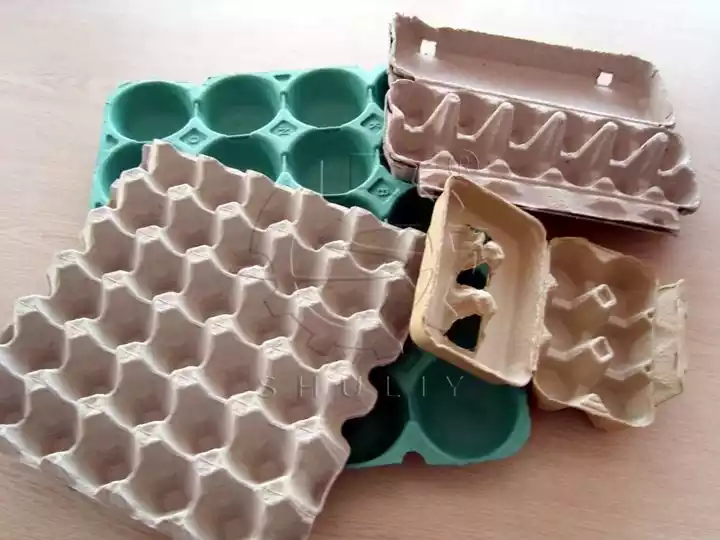
छोटे अंडे की ट्रे मशीन की संरचना और घटक
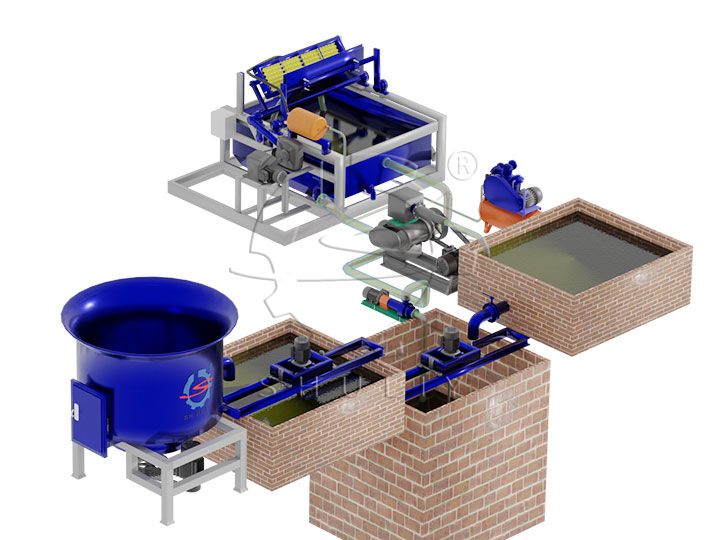
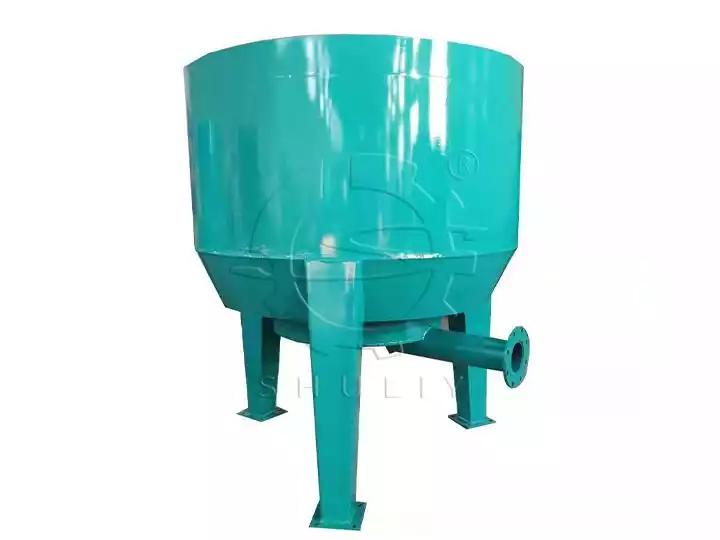
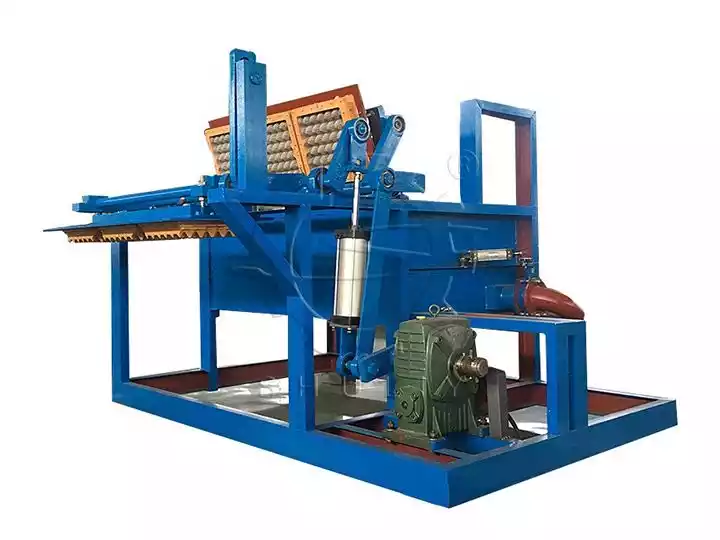
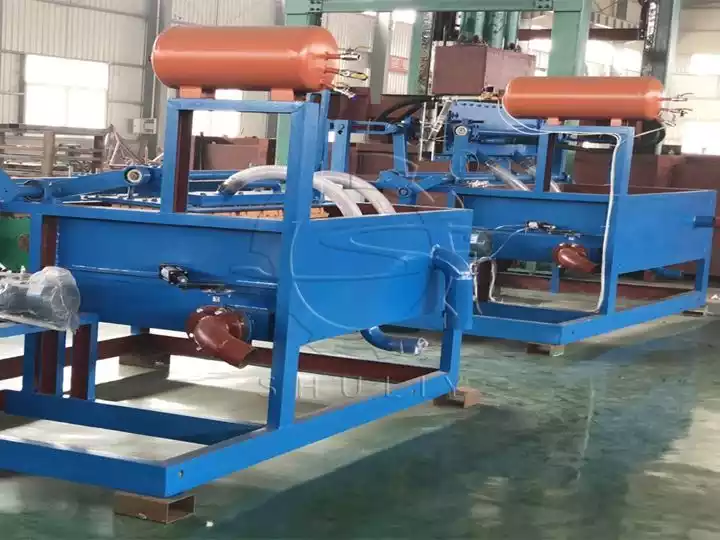
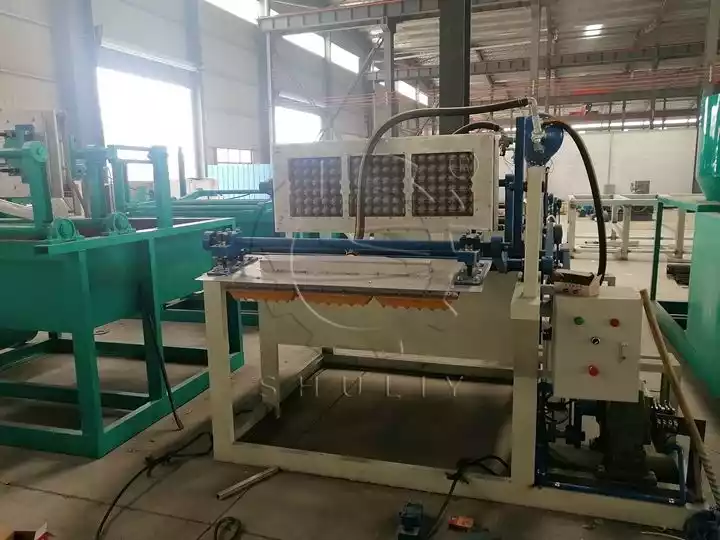
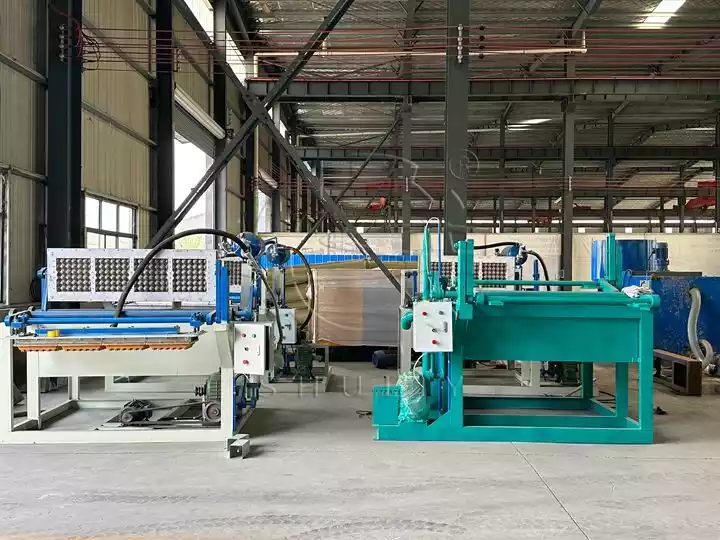
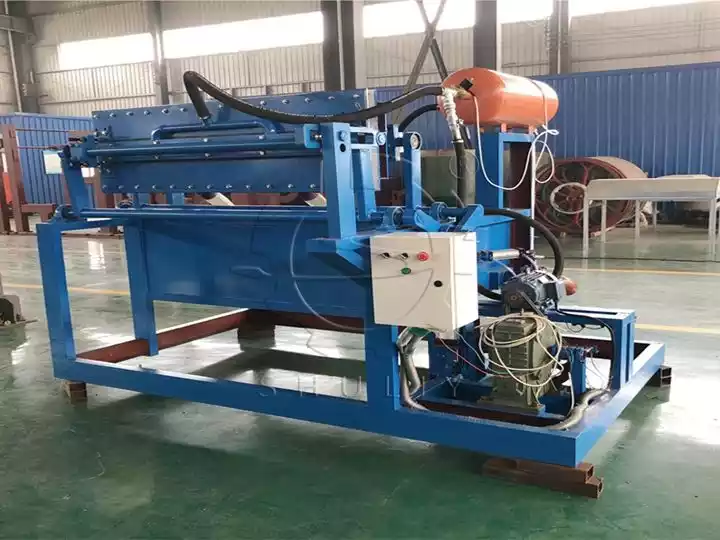
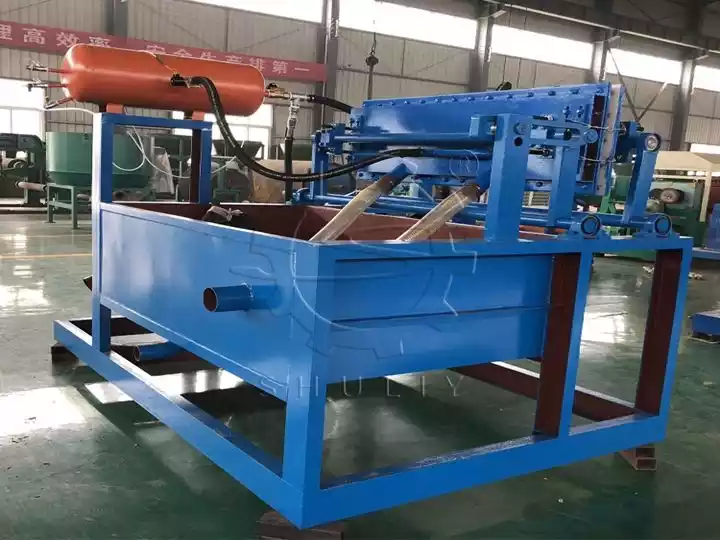
इस छोटी अंडे की ट्रे बनाने वाली मशीन की संरचना में मुख्य रूप से फ्रेम, कंट्रोल पैनल, रेड्यूसर मोटर, मोल्ड (3 ट्रांसफर मोल्ड और 3 फॉर्मिंग मोल्ड) आदि शामिल हैं। सहायक उपकरण में एक वैक्यूम पंप, एयर कंप्रेसर, मोल्ड सफाई मशीन आदि शामिल हैं। छोटी क्षमता के कारण, छोटी अंडा ट्रे मशीन की संरचना सरल और उपयोग और रखरखाव में आसान है। मशीन का उपयोग आमतौर पर a के साथ संयोजन में किया जाता है कचरे वाली कागज़ पुल्पर मशीन for preparing consistent pulp slurry, and can be integrated into a complete अंडा ट्रे उत्पादन लाइन for turnkey solutions.
तकनीकी विशिष्टताओं की तुलना
अपनी उत्पादन आवश्यकताओं और उपलब्ध स्थान के आधार पर सही मॉडल चुनें:
| विशेषता | मॉडल SL-1000-3X1 | मॉडल SL-1500-4X1 |
|---|---|---|
| उत्पादन क्षमता | 1000 पीसी/एच | 1500 पीसी/एच |
| पावर खपत | 38 किलोवाट | 38 किलोवाट |
| वोल्टेज आवश्यकताएँ | 380V,50HZ | 380V,50HZ |
| मशीन का वजन | 2500 किग्रा | 3000 किलो |
| कागज़ की खपत | 80 किग्रा/घंटा | 120 किग्रा/घंटा |
| पानी की खपत | 160 किग्रा/घंटा | 240 किग्रा/घंटा |
| मशीन के आयाम | 2600*2200*1900मिमी | 2800*2200*1900मिमी |
| सूखाने का तरीका | प्राकृतिक सूखाना या ड्रायर | प्राकृतिक सूखाना या ड्रायर |
| ट्रे की ऊंचाई | 8 सेमी तक | |
Important Notes: The actual output of the small egg tray forming machine varies depending on several factors including raw material type, pulp consistency, finished product size, and operator experience. Our factory provides customized recommendations based on your specific requirements and production goals.
मोरक्को में 1000 पीसी/घंटा अंडा ट्रे उत्पादन संयंत्र
सहायक उपकरणों की कॉन्फ़िगरेशन सूची
| नहीं। | वस्तु | चित्र | मुख्य पैरामीटर | मात्रा |
| 1 | मोल्डिंग मशीन | 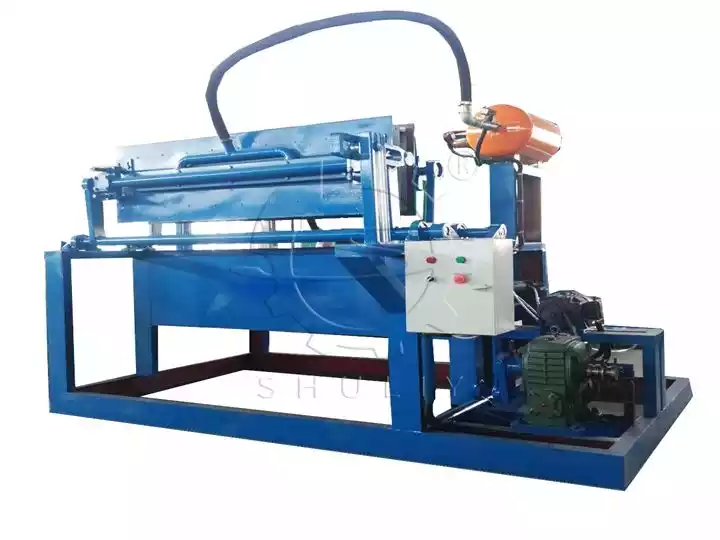 | पावर: 3 किलोवाट मोल्ड का आकार: 1250*400 मिमी स्थापित मोल्ड की संख्या: 3 टुकड़े घूर्णन सतह: 1 सतह चलने की गति: 3-6 स्टेशन/मिनट सहायक विद्युत उपकरण: 25 सोलनॉइड वाल्व 2 1 वायवीय तितली वाल्व, 1 दो-स्थिति पांच-तरफा, 1 100250 सिलेंडर, 1 विद्युत नियंत्रण कैबिनेट, 4 निकटता स्विच ट्रांसमिशन: रिड्यूसर | 1 सेट |
| 2 | मोल्ड (डिलीवरी से पहले मशीन पर स्थापित) | 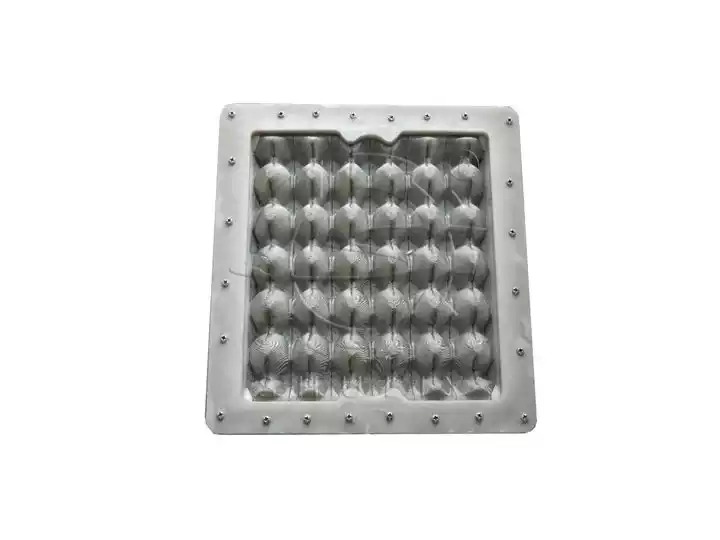 | सामग्री: प्लास्टिक मात्रा: मोल्डिंग मोल्ड के 3 टुकड़े, ट्रांसफर मोल्ड के 3 टुकड़े | 1 सेट |
| 3 | हवा कंप्रेसर | 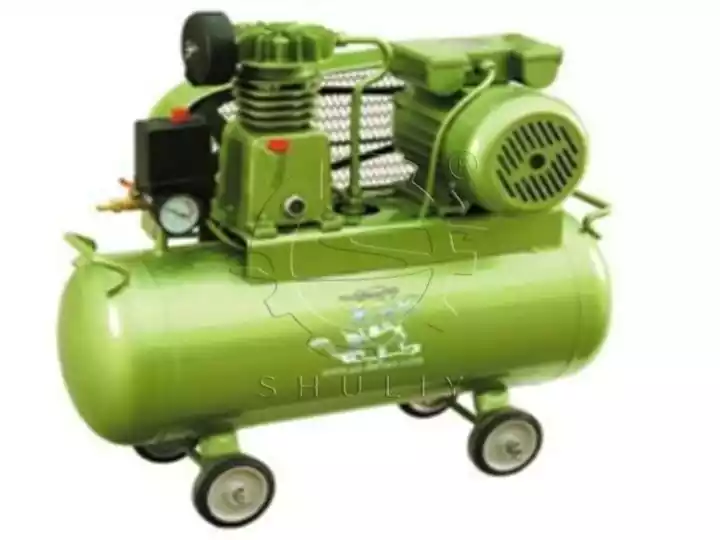 | पावर: 7.5kw डिस्चार्ज वॉल्यूम: 1m³वायु दबाव:0.8mpa कनेक्शन पाइप:Φ16,7m | 1 सेट |
| 4 | वैक्यूम पंप | 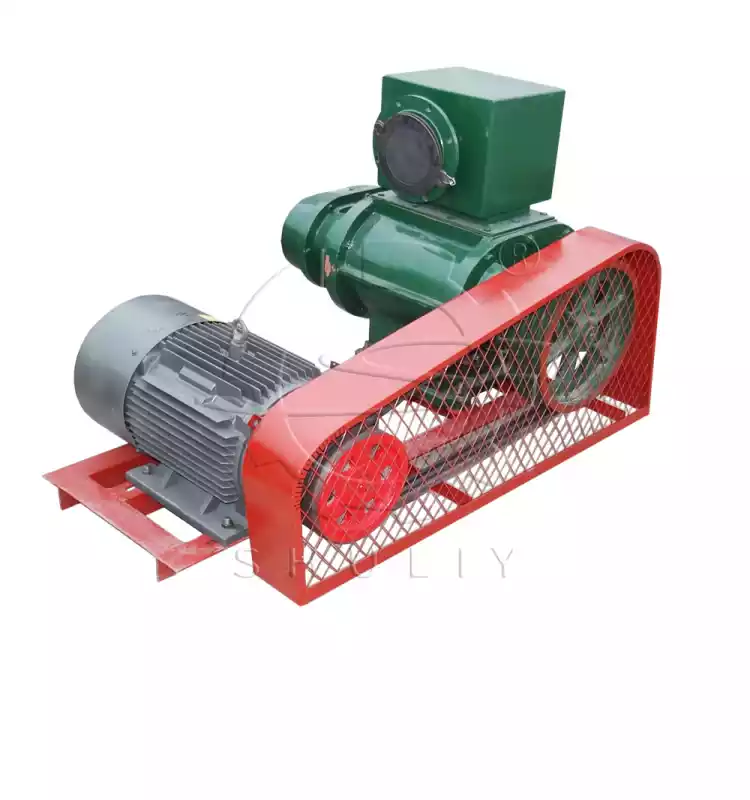 | पावर: 11kw दबाव: -0.06mpa कनेक्टिंग पाइप: 110 स्टील वायर पाइप, 1.5 मीटर का 1 इनलेट, 1.5 मीटर का 1 आउटलेट | 1 सेट |
| 5 | मोल्ड सफाई उपकरण | 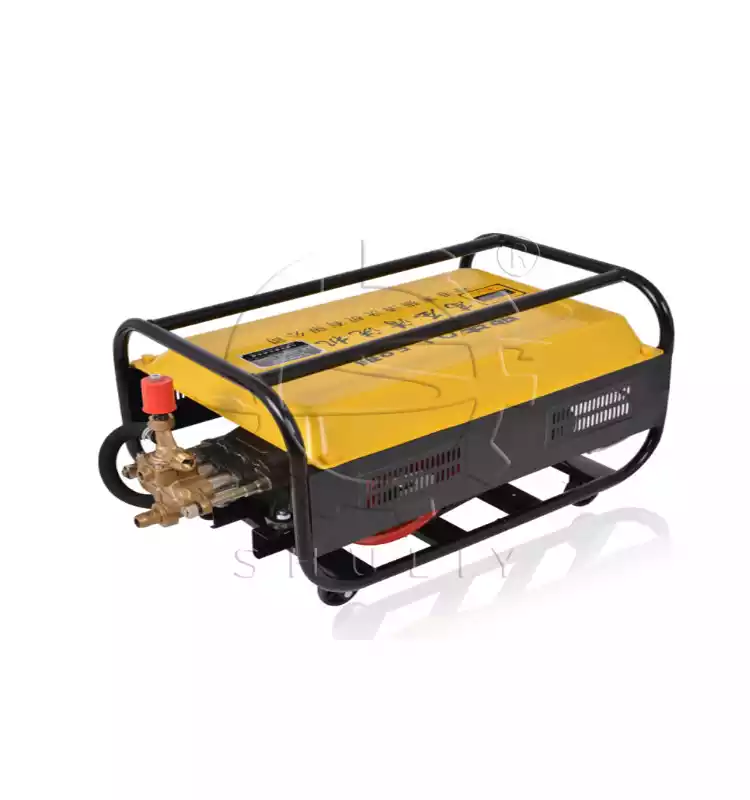 | पावर: 1.5 किलोवाट सफ़ाई उपकरण 1 सेट | 1 सेट |
आवेदन परिदृश्य और लक्षित ग्राहक
This small-scale pulp tray processing equipment is perfect for diverse business scenarios. The versatility of the छोटी अंडे की ट्रे मशीन extends beyond traditional egg production, serving multiple customer segments across different industries:
- छोटे चिकन फार्म: परिवार-स्वामित्व वाली पोल्ट्री संचालन जिनमें 500-5000 अंडे देने वाले पक्षी हैं, अपने दैनिक उत्पादन के लिए किफायती अंडा पैकेजिंग समाधान की आवश्यकता होती है। ऑन-साइट अंडा ट्रे उत्पादन से, वे बाहरी आपूर्तिकर्ताओं पर निर्भरता कम करते हैं और पैकेजिंग लागत में 30-50% की कमी करते हैं। : केन्या में एक छोटे खेत ने SL-1000-3X1 मॉडल खरीदा और अब वह प्रतिदिन 8,000-10,000 अंडा ट्रे बनाता है, अपनी पैकेजिंग आवश्यकताओं को पूरा करते हुए अतिरिक्त ट्रे भी बेचता है।
- : बागान मालिक: फल उगाने वाले जो ताजा उत्पाद को स्थानीय बाजारों में ले जाने के लिए सुरक्षात्मक पैकेजिंग की आवश्यकता है, जिसमें सेब ट्रे, नाशपाती ट्रे, आड़ू ट्रे, और अन्य फल संरक्षण इनसर्ट्स शामिल हैं। ट्रे के आकार को अनुकूलित करने की क्षमता नाजुक फलों के लिए सर्वोत्तम सुरक्षा सुनिश्चित करती है। : चिली में एक बागान मालिक ह harvest के दौरान कस्टम सेब ट्रे बनाने के लिए मशीन का उपयोग करता है, जिससे परिवहन के दौरान फल की क्षति 40% कम हो जाती है।
- : घर आधारित उद्यमी: छोटे प्रारंभिक निवेश के साथ छोटे पैमाने पर अंडा ट्रे उत्पादन व्यवसाय शुरू करने वाले व्यक्ति (आम तौर पर $5,000-$15,000 में पूरी सेटअप)। यह अतिरिक्त आय स्रोत बनाता है और स्थानीय सर्कुलर अर्थव्यवस्था में योगदान देता है। मामला अध्ययन: बांग्लादेश में एक गृह उद्यमी ने एक छोटी मशीन से शुरुआत की और अब 15 स्थानीय खेतों को अंडा ट्रे आपूर्ति करता है, मासिक आय $2,000-$3,000 उत्पन्न करता है।
- छोटे कार्यशालाएँ: स्थानीय विनिर्माण इकाइयाँ जो पर्यावरण के अनुकूल पैकेजिंग उत्पादन में विविधता ला रही हैं, प्लास्टिक पैकेजिंग के स्थायी विकल्पों की बढ़ती मांग को पूरा कर रही हैं। ये कार्यशालाएँ अक्सर 6-12 महीनों में क्षेत्रीय बाजारों में विस्तार करती हैं। : मामूली कार्यशाला में फल ट्रे, कॉफी कप ट्रे, और औद्योगिक पैकेजिंग का उत्पादन करने वाले छोटे कार्यशाला का विस्तार।
- : कॉफी शॉप और कैफे: टेकअवे पेय के लिए कस्टम कॉफी कप ट्रे बनाना, ब्रांड छवि को बढ़ावा देना और पर्यावरण के अनुकूल पैकेजिंग का उपयोग। कुछ कॉफी चेन अपने केंद्रीय रसोई में मशीनें स्थापित करते हैं ताकि सभी शाखाओं को आपूर्ति कर सकें। : दक्षिण अफ्रीका, केन्या, घाना, कोटे डी आइवर, कैमरून, इंडोनेशिया, मलेशिया, बांग्लादेश, कोलंबिया, चिली, ब्राजील, इराक जैसे क्षेत्रों में ग्राहक। ये क्षेत्र किफायती, टिकाऊ पैकेजिंग समाधानों की मजबूत मांग दिखाते हैं।
- रेस्टोरेंट सप्लाई कंपनियाँ: स्थानीय रेस्टोरेंट और कैटरिंग व्यवसायों के लिए डिस्पोजेबल फूड सर्विस ट्रे का निर्माण। बायोडिग्रेडेबल फूड पैकेजिंग की बढ़ती मांग से महत्वपूर्ण बाजार अवसर बनते हैं। मामला अध्ययन: ब्राजील में एक रेस्टोरेंट सप्लायर हर सप्ताह 30 रेस्टोरेंट्स के लिए 5,000-7,000 फूड ट्रे बनाता है, केवल 10 महीनों में आरओआई प्राप्त करता है।
- क्षेत्रीय बाजार: मुख्य रूप से अफ्रीका (दक्षिण अफ्रीका, केन्या, घाना, कोटे डी आइवर, कैमरून), दक्षिण पूर्व एशिया (इंडोनेशिया, मलेशिया, बांग्लादेश), दक्षिण अमेरिका (कोलंबिया, चिली, ब्राजील), और मध्य पूर्व (इराक)। ये क्षेत्र किफायती, टिकाऊ पैकेजिंग समाधानों की मजबूत मांग दिखाते हैं।
- निवेश प्रोफ़ाइल: सीमित पूंजी चाहने वाले जो लागत प्रभावी उपकरण की तलाश में हैं और त्वरित ROI (आम तौर पर 12-18 महीने) प्राप्त करना चाहते हैं। अधिकतर ग्राहक सीमित फैक्ट्री स्थान (20-50 वर्ग मीटर) रखते हैं और कॉम्पैक्ट, कुशल उपकरण की आवश्यकता होती है।
- उत्पादन आवश्यकताएँ: 8,000-15,000 टुकड़ों की दैनिक उत्पादन आवश्यकताएँ (8 घंटे संचालन पर आधारित) स्वयं उपयोग या स्थानीय बाजार बिक्री के लिए। लचीली उत्पादन क्षमता व्यवसायों को बाजार की मांग के अनुसार धीरे-धीरे बढ़ाने की अनुमति देती है।
अधिकांश ग्राहक पहले महीने के भीतर उत्पादन लक्ष्यों को प्राप्त कर लेते हैं। उत्पादन के बाद, अंडा ट्रे या फल ट्रे आमतौर पर आंतरिक संचालन (60%) के लिए या स्थानीय बाजार (40%) में बेचे जाते हैं, जिससे लाभदायक व्यवसाय अवसर बनते हैं। द्वैध आय स्रोत—अंडे/फल की बिक्री ब्रांडेड पैकेजिंग के साथ और अतिरिक्त ट्रे की बिक्री अन्य उत्पादकों को—निवेश पर अधिकतम लाभ सुनिश्चित करता है।
विदेशों में छोटी अंडे की ट्रे मशीनों की डिलीवरी
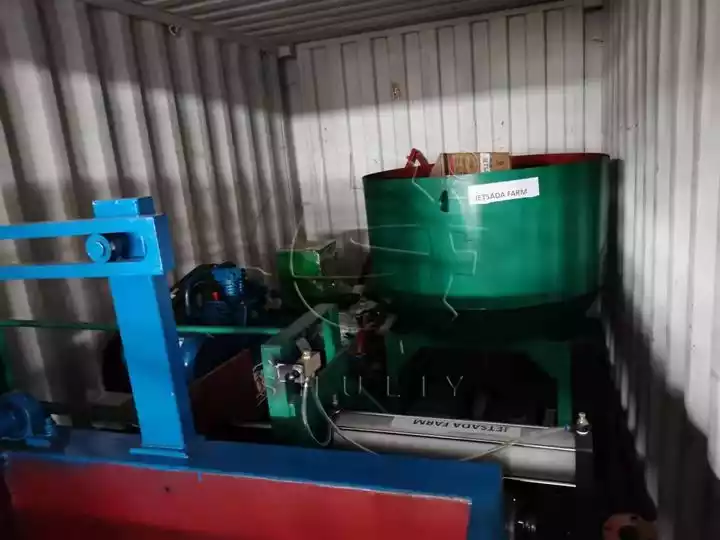
वर्तमान में, हमारा कारखाना इस प्रकार की छोटी अंडे की ट्रे बनाने वाली मशीन मुख्य रूप से अफ्रीकी बाजार, दक्षिण पूर्व एशिया और दक्षिण अमेरिकी बाजारों में निर्यात करता है। जिन देशों के साथ हम अक्सर सहयोग करते हैं वे हैं दक्षिण अफ्रीका, केन्या, कोटे डी आइवर, कैमरून, घाना, इराक, कोलंबिया, चिली, ब्राजील, बांग्लादेश, मलेशिया, न्यूजीलैंड, इंडोनेशिया, आदि।
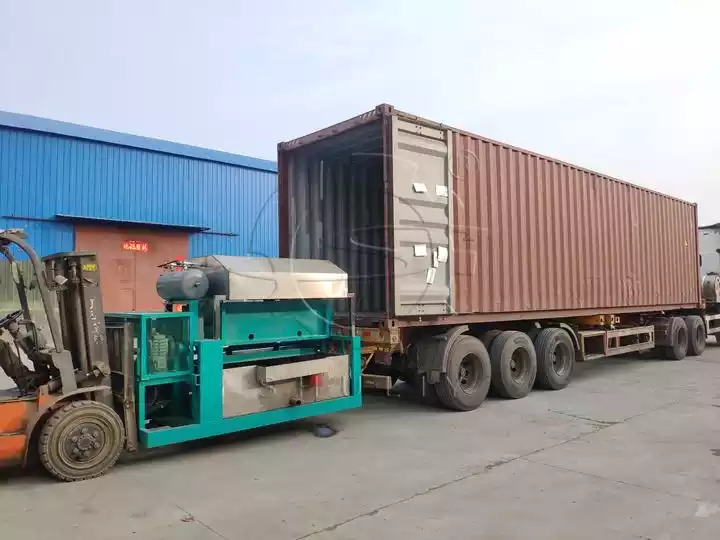
ग्राहक के अपने चिकन फार्म के लिए अंडे की ट्रे बनाने के लिए 1000 पीसी/घंटा अंडा ट्रे मशीन दक्षिण अफ्रीका को निर्यात की गई
1500ocs/h फल ट्रे प्रसंस्करण संयंत्र सेब ट्रे बनाने के लिए इंडोनेशिया को निर्यात किया जाता है
निवेश और निवेश पर वापसी (ROI) विश्लेषण
: एक छोटे अंडा ट्रे व्यवसाय के वित्तीय पहलुओं को समझना निवेश निर्णय लेने के लिए महत्वपूर्ण है। यहाँ लागत और संभावित लाभ का विस्तृत विश्लेषण है:
प्रारंभिक निवेश लागत
| वस्तु | अनुमानित लागत (यूएसडी) |
|---|---|
| छोटा अंडा ट्रे मशीन (SL-1000-3X1) | : $8,000 – $12,000 |
| सहायक उपकरण (पल्पर, कंप्रेसर, वैक्यूम पंप) | : $3,000 – $5,000 |
| मोल्ड (अनुकूलन योग्य) | $500 – $1,000 |
| स्थापना और प्रशिक्षण | $500 – $1,000 |
| कच्चे माल का स्टॉक (कचरा पेपर) | $200 – $500 |
| कार्यस्थल सेटअप | $500 – $2,000 |
| कुल प्रारंभिक निवेश | $12,700 – $21,500 |
संचालन लागत (प्रति दिन, 8 घंटे)
| वस्तु | लागत (यूएसडी) |
|---|---|
| बिजली (38kw × 8h × $0.15/kwh) | $45.60 |
| पानी (160kg/h × 8h × $0.005/kg) | $6.40 |
| : कच्चे माल (80kg/h × 8h × $0.05/kg कचरा पेपर) | $32.00 |
| श्रम (2 कर्मचारी × $15/दिन) | $30.00 |
| रखरखाव और विविध | $10.00 |
| कुल दैनिक संचालन लागत | $124.00 |
आय की संभावना
प्रति घंटे 1000-1500 टुकड़े की उत्पादन क्षमता के साथ और 8 घंटे दैनिक संचालन:
- दैनिक उत्पादन: 8,000-12,000 अंडा ट्रे
- बिक्री मूल्य: ट्रे प्रति $0.02-$0.04 (क्षेत्र और गुणवत्ता के अनुसार भिन्न)
- दैनिक आय: $160-$480 (मान लेते हुए 8,000-12,000 ट्रे × $0.02-$0.04)
- मासिक आय (26 कार्य दिवस): $4,160-$12,480
- मासिक संचालन लागत: $3,224 ($124 × 26 दिन)
- मासिक शुद्ध लाभ: $936-$9,256
- आरओआई अवधि: 12-18 महीने (बाजार की स्थिति और संचालन दक्षता पर निर्भर)
Key Success Factors:
- : स्थिर कच्चे माल की आपूर्ति सुनिश्चित करें (कचरे के पेपर संग्रह नेटवर्क)
- विश्वसनीय बिक्री चैनल स्थापित करें (स्थानीय खेत, बाजार, रेस्टोरेंट)
- ग्राहक बनाए रखने के लिए स्थिर उत्पाद गुणवत्ता बनाए रखें
- अपनी उत्पादन दक्षता को अनुकूलित करें ताकि अपव्यय और डाउनटाइम को कम किया जा सके
- : मूल्यवर्धित उत्पादों पर विचार करें (रंगीन ट्रे, कस्टम लोगो, प्रीमियम पैकेजिंग)
Note: Actual ROI varies based on local market conditions, raw material costs, labor rates, and sales prices. The above analysis is based on average data from successful customers in developing markets.
रखरखाव और संचालन गाइड
सही रखरखाव प्रदर्शन को अनुकूल बनाता है और आपके छोटे अंडा ट्रे मशीन की सेवा जीवन को बढ़ाता है। सर्वोत्तम परिणामों के लिए इन दिशानिर्देशों का पालन करें:
दैनिक रखरखाव कार्य
- ऑपरेशन से पहले: सभी विद्युत कनेक्शनों की जांच करें, मोल्ड को नुकसान के लिए निरीक्षण करें, स्नेहन स्तर की पुष्टि करें, और पानी की आपूर्ति पर्याप्त है या नहीं यह सुनिश्चित करें।
- ऑपरेशन के दौरान: दबाव गेज की निगरानी करें, असामान्य आवाज़ें सुनें, नियमित रूप से उत्पाद गुणवत्ता की जांच करें, और पल्प की स्थिरता बनाए रखें।
- ऑपरेशन के बाद: मोल्ड को अच्छी तरह से साफ करें, मोल्ड सफाई मशीन का उपयोग करें, पाइप से पानी निकालें, सभी सतहों को पोंछें, और पहनने या क्षति के लिए निरीक्षण करें।
साप्ताहिक रखरखाव
- निर्माता की विशिष्टताओं के अनुसार सभी चलने वाले भागों को स्नेहित करें
- सभी बोल्ट और फास्टनरों को जांचें और कसें
- वैक्यूम पंप और एयर कंप्रेसर फ़िल्टर की जांच करें, आवश्यक हो तो साफ या बदलें
- बिजली नियंत्रण पैनल कनेक्शनों की जांच करें और धूल जमा को साफ करें
- हाइड्रोलिक सिस्टम (यदि सुसज्जित हो) में लीकेज और तरल स्तर की जांच करें
मासिक रखरखाव
- सभी यांत्रिक घटकों का व्यापक निरीक्षण करें
- घिसे हुए मोल्ड को बदलें या क्षतिग्रस्त घटकों की मरम्मत करें
- दबाव और तापमान सेंसर को कैलिब्रेट करें
- रिड्यूसर मोटर का तेल स्तर जांचें और आवश्यक हो तो बदलें
- : सभी सुरक्षा विशेषताओं और आपातकालीन स्टॉप फ़ंक्शंस का परीक्षण करें
सामान्य troubleshooting
| समस्या | संभावित कारण | समाधान |
|---|---|---|
| कम उत्पादन दर | : असंगत पल्प स्थिरता, घिसे हुए मोल्ड, कम वैक्यूम दबाव | पल्प मिश्रण को समायोजित करें, मोल्ड की जांच करें और बदलें, वैक्यूम पंप की जांच करें |
| खराब ट्रे गुणवत्ता | : गलत पानी-से-कागज़ अनुपात, क्षतिग्रस्त मोल्ड, अपर्याप्त दबाव | पल्प स्थिरता का अनुकूलन करें, मोल्ड की मरम्मत/बदलाव करें, दबाव सेटिंग्स को समायोजित करें |
| मशीन कंपन | ढीले बोल्ट, असंतुलित घूमने वाले भाग, घिसे हुए बियरिंग्स | सभी फास्टनरों को कसें, संतुलन जांचें, यदि आवश्यक हो तो बियरिंग बदलें |
| अधिक शोर | स्नेहन की कमी, ढीले घटक, मोटर की समस्याएँ | चलने वाले भागों को स्नेहित करें, कनेक्शनों को कसें, मोटर की जांच करें |
| बिजली की खराबी | ढीले कनेक्शन, ओवरलोड सर्किट, घटक विफलता | सभी कनेक्शनों की जांच करें, लोड क्षमता की पुष्टि करें, दोषपूर्ण घटकों को बदलें |
मशीन जीवन को बढ़ाने के सुझाव
- खनिज जमा को रोकने के लिए साफ, फ़िल्टर्ड पानी का उपयोग करें
- मशीन को उसकी रेटेड क्षमता से अधिक लोडिंग से बचें
- सभी ऑपरेटरों को उचित प्रारंभ और बंद करने की प्रक्रियाओं पर प्रशिक्षित करें
- आवश्यक स्पेयर पार्ट्स (सील, गैसकेट, फ़िल्टर) का स्टॉक रखें
- वार्षिक पेशेवर निरीक्षण और सेवा का कार्यक्रम बनाएं
- ट्रैकिंग और वारंटी उद्देश्यों के लिए विस्तृत रखरखाव लॉग बनाए रखें
तकनीकी सहायता या प्रतिस्थापन भागों के लिए, शुली की बिक्री के बाद सेवा टीम से संपर्क करें। हम जीवनकाल तकनीकी परामर्श और स्पेयर पार्ट्स की तेज़ शिपिंग प्रदान करते हैं।
अक्सर पूछे जाने वाले प्रश्न (FAQ)
छोटे अंडा ट्रे मशीन की उत्पादन क्षमता क्या है?
The छोटी अंडे की ट्रे मशीन offers two models to meet different production needs:
- मॉडल SL-1000-3X1: 1000 टुकड़े प्रति घंटे (8,000-10,000 टुकड़े प्रति 8 घंटे की शिफ्ट)
- मॉडल SL-1500-4X1: 1500 टुकड़े प्रति घंटे (8 घंटे की शिफ्ट में 12,000-14,000 टुकड़े)
The actual output may vary slightly depending on several factors including raw material type (waste paper vs. wood pulp), pulp consistency (optimal range: 3-5% concentration), finished product size (standard egg trays vs. custom shapes), and operator experience. For customers requiring higher capacity, we also offer medium egg carton making machines with 2000-3000pcs/h capacity or large-scale industrial equipment producing 4000-7000pcs/h.
कौन से कच्चे माल का उपयोग किया जा सकता है?
: मशीन विभिन्न कच्चे माल के साथ उत्कृष्ट लचीलापन दिखाती है, विभिन्न कचरे के पेपर और वर्जिन पल्प का प्रसंस्करण करती है:
- अपशिष्ट कागज़ : सबसे आर्थिक): समाचार पत्र, कार्डबोर्ड बॉक्स (OCC), कार्यालय कागज़, पत्रिकाएँ, किताबें, कागज़ बैग, और अन्य कागज़ आधारित उत्पाद। कागज़ कचरे को प्लास्टिक, धातु, और भारी स्याही वाले सामग्री से मुक्त करने के लिए छांटना चाहिए।
- लकड़ी का पल्प: देवदार, फर, या बर्च पेड़ से वर्जिन सेलुलोज़ पल्प। उच्च शक्ति वाले ट्रे बनाता है, गुणवत्ता में स्थिरता के साथ, प्रीमियम अनुप्रयोगों के लिए उपयुक्त।
- बांस का पल्प: स्थायी विकल्प जिसमें उत्कृष्ट फाइबर गुणवत्ता है। बांस की तेज़ वृद्धि दर (3-5 वर्ष पर परिपक्वता) इसे पर्यावरण के अनुकूल विकल्प बनाती है।
- कृषि अवशेष: गेहूं का भूसा पल्प, चावल का भूसा पल्प, और गन्ने का बायगास। ये सामग्री कृषि अपशिष्ट उपयोग और सर्कुलर अर्थव्यवस्था के सिद्धांतों का समर्थन करती हैं।
For optimal results, we recommend using a waste paper pulper machine to prepare consistent pulp slurry before feeding into the molding machine. The pulper breaks down paper fibers and removes contaminants, ensuring high-quality finished products.
: स्थापना के लिए कितना स्थान आवश्यक है?
: छोटे अंडा ट्रे मशीन का कॉम्पैक्ट डिज़ाइन उन्हें सीमित स्थानों के लिए आदर्श बनाता है:
| नमूना | : मशीन का पदचिह्न | : कार्यशाला का अनुशंसित आकार |
|---|---|---|
| SL-1000-3X1 | 2600×2200×1900मिमी (एल×डब्ल्यू×एच) | : 40-60 वर्ग मीटर |
| SL-1500-4X1 | 2800×2200×1900मिमी (एल×डब्ल्यू×एच) | : 50-80 वर्ग मीटर |
Additional space considerations:
- : कच्चे माल का भंडारण: कचरे के पेपर के बंडल या पल्प बैग के लिए 10-20 वर्ग मीटर
- सूखाने का क्षेत्र: प्राकृतिक सुखाने रैक के लिए 20-40 वर्ग मीटर (यदि यांत्रिक सूखाने का उपयोग नहीं कर रहे हैं)
- पूर्ण उत्पाद भंडारण: पैक किए गए ट्रे के लिए 10-15 वर्ग मीटर
- कार्यशील गलियारा: मशीन के चारों ओर 1-1.5 मीटर का स्थान ऑपरेटर की गति और रखरखाव पहुंच के लिए
For customers with very limited space, we offer customized compact Egg Tray Production Line solutions that optimize equipment layout and minimize floor space requirements, perfect for small workshops and home-based businesses.
: क्या मशीन विभिन्न ट्रे आकारों का उत्पादन कर सकती है?
: हाँ! मॉड्यूलर डिज़ाइन जल्दी मोल्ड परिवर्तन की अनुमति देता है ताकि विभिन्न पल्प ट्रे उत्पाद बनाए जा सकें:
- मानक अंडा ट्रे: 30-सेल, 36-सेल कॉन्फ़िगरेशन चिकन अंडों के लिए
- फलों की ट्रे: सेब, नाशपाती, पीच, संतरे, और अन्य फलों के लिए कस्टम आकार
- कॉफ़ी कप ट्रे: 2-कप, 4-कप कैरियर टेकेवे पेय के लिए
- औद्योगिक पैकेजिंग: इलेक्ट्रॉनिक्स, ग्लासवेयर, ऑटो पार्ट्स के लिए कस्टम इनसर्ट
- विशेष ट्रे: पौध ट्रे, खाद्य सेवा ट्रे, कॉस्मेटिक पैकेजिंग
All tray products can have heights up to 8cm. Mold changing typically takes 15-30 minutes, allowing flexible production scheduling. Custom mold design and manufacturing services are available based on your specific product requirements. For businesses focused on diverse product ranges, the मध्यम अंडा कार्टन बनाने वाली मशीन offers even greater mold compatibility and production flexibility with 2000-3000pcs/h capacity.
कौन सा सहायक उपकरण आवश्यक है?
एक पूर्ण छोटे अंडा ट्रे उत्पादन सेटअप में कई मुख्य घटक शामिल हैं:
- मुख्य उपकरण (Included in standard package): – Molding machine with 3 forming molds + 3 transfer molds – Air compressor (7.5kw, 1m³ capacity) – Vacuum pump (11kw, -0.06mpa pressure) – Mold cleaning device (1.5kw) – Electrical control cabinet with PLC
- आवश्यक सहायक उपकरण (Highly recommended): – कचरे वाली कागज़ पुल्पर मशीन: Converts raw paper into uniform pulp slurry – Pulp pool with agitator: Maintains consistent pulp concentration – Pulp pump: Transfers prepared pulp to molding machine
- गुणवत्ता सुधार उपकरण (Optional): – हॉट प्रेस मशीन: Smooths tray surfaces at 200°C for premium appearance, ideal for high-end markets and branded packaging – बॉक्स-टाइप ड्रायर: Accelerates drying process, improves quality consistency with controlled temperature (80-120°C) – सतत मल्टी-लेयर ड्रायर: उच्च मात्रा उत्पादन के लिए स्वचालित कन्वेयर सुखाने के साथ कई तापमान क्षेत्रों में
- पैकेजिंग और लॉजिस्टिक्स उपकरण (Optional): – अंडा ट्रे बेलर मशीन: Compresses dried trays for efficient storage and transport, reducing space by 50-70% – Stacking racks: Organized storage of finished products
For customers seeking a turnkey solution, our छोटी अंडे की ट्रे उत्पादन लाइन includes all necessary equipment with professional installation guidance and operator training.
मशीन संचालित करने के लिए कितने श्रमिक आवश्यक हैं?
छोटे अंडा ट्रे मशीन कुशल संचालन के लिए डिज़ाइन की गई है, जिसमें न्यूनतम श्रम आवश्यक है।
- न्यूनतम कॉन्फ़िगरेशन: 2 workers – Worker 1: Raw material feeding and pulp preparation – Worker 2: Product collection, quality control, and tray stacking
- अनुशंसित कॉन्फ़िगरेशन: 3 workers – Worker 1: Raw material feeding and machine operation – Worker 2: Product collection and transfer to drying area – Worker 3: Quality control, drying management, and packaging
- विस्तारित उत्पादन: 4-5 workers (for maximum output) – Additional workers for continuous drying rack management and finished product handling
Labor costs vary by region, but typically range from $10-$25 per worker per day in developing markets. The automated nature of the छोटी अंडे की ट्रे मशीन minimizes manual intervention, making it an excellent choice for regions with rising labor costs. All operators can be trained within 3-5 days using our comprehensive training program. For larger operations, the Large Egg Tray Making Machine for industry offers advanced automation with 4000-7000pcs/h capacity.
अंडा ट्रे के सुखाने का तरीका क्या है?
अंडा ट्रे सुखाने अंतिम चरण है जो अंतिम उत्पाद की गुणवत्ता और उत्पादन दक्षता को प्रभावित करता है। कई सुखाने विकल्प उपलब्ध हैं।
प्राकृतिक सुखाना (सबसे किफायती)
- विधि: सूखे रैक पर गीले ट्रे स्टैक करें और धूप या हवादार गोदाम में हवा सुखाएं
- सुखाने का समय: 8-24 घंटे, जलवायु परिस्थितियों (तापमान, आर्द्रता, वायु प्रवाह) पर निर्भर
- सर्वश्रेष्ठ के लिए: गर्म, सूखा वातावरण जिसमें कम आर्द्रता हो; छोटे पैमाने का उत्पादन
- लागत: न्यूनतम (सिर्फ सुखाने के रैक की आवश्यकता)
- आवश्यक स्थान: 20-40 वर्ग मीटर 8 घंटे के उत्पादन के लिए
बॉक्स-टाइप ड्रायर (सतत गुणवत्ता के लिए अनुशंसित)
- विधि: इन्सुलेटेड चैंबर में बैच सुखाने के साथ नियंत्रित गर्म हवा का परिसंचरण
- सुखाने का समय: प्रति बैच 2-4 घंटे
- तापमान: 80-120°C (उत्पाद की मोटाई के आधार पर समायोज्य)
- सर्वश्रेष्ठ के लिए: उच्च आर्द्रता या बारिश के मौसम वाले क्षेत्र; मध्यम पैमाने का उत्पादन
- फायदे: स्थिर नमी स्तर (≤5%), तेज उत्पादन चक्र, मौसम से स्वतंत्र
सतत मल्टी-लेयर ड्रायर (सर्वोच्च दक्षता)
- विधि: स्वचालित कन्वेयर सिस्टम ट्रे को कई सुखाने क्षेत्रों में ले जाता है
- सुखाने का समय: 30-60 मिनट निरंतर प्रक्रिया
- सर्वश्रेष्ठ के लिए: बड़े पैमाने पर उत्पादन जिसमें स्थिर आउटपुट आवश्यक हो
- फायदे: उच्चतम दक्षता, समान सुखाने, उत्पादन लाइन के साथ एकीकरण
- निवेश: उच्च प्रारंभिक लागत लेकिन बड़े पैमाने पर प्रति यूनिट सुखाने की लागत कम
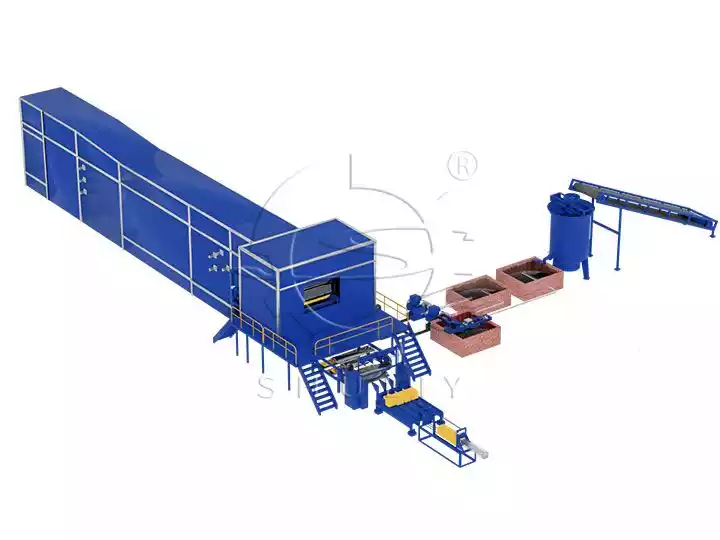
For detailed information on drying equipment, explore our बॉक्स-टाइप ड्रायर or सतत मल्टी-लेयर ड्रायर product pages. The choice of drying method depends on your production capacity, climate conditions, available space, and investment budget. For complete production lines, the Automatic Egg Carton Processing Plant includes integrated drying systems.
निवेश लागत क्या है?
एक छोटे अंडा ट्रे मशीन की निवेश लागत कॉन्फ़िगरेशन और वैकल्पिक उपकरणों पर निर्भर करती है।
| कॉन्फ़िगरेशन स्तर | अनुमानित लागत (यूएसडी) | शामिल हैं |
|---|---|---|
| मूल पैकेज | : $8,000 – $12,000 | मोल्डिंग मशीन, मोल्ड, कंप्रेसर, वैक्यूम पंप, मोल्ड क्लीनर |
| मानक पैकेज | $13,000 – $18,000 | बेसिक पैकेज पुल्पर मशीन, पुल्प पूल, पंप, स्थापना किट |
| पूर्ण पैकेज | $19,000 – $28,000 | मानक पैकेज सुखाने वाला, बेलर, अतिरिक्त मोल्ड, स्पेयर पार्ट्स किट |
| टर्नकी समाधान | $25,000 – $40,000 | पूर्ण पैकेज स्थापना, प्रशिक्षण, कार्यशाला डिज़ाइन, 1 वर्ष का कच्चा माल आपूर्ति परामर्श |
Additional Costs to Consider:
- शिपिंग और सीमा शुल्क क्लियरेंस: $2,000-$8,000 (गंतव्य के अनुसार भिन्न)
- स्थापना और कमीशनिंग: $500-$2,000 (या टर्नकी पैकेज में शामिल)
- ऑपरेटर प्रशिक्षण: $500-$1,000 (या टर्नकी पैकेज में शामिल)
- प्रारंभिक कच्चा माल स्टॉक: $200-$500
- कार्यशाला तैयारी (बिजली, पानी, निकासी): $500-$3,000
For detailed pricing and customized solutions based on your production requirements, please contact our sales team directly. We offer flexible payment terms and can help arrange shipping to most countries worldwide. You may also want to explore our छोटे अंडा ट्रे उत्पादन लाइन for a complete turnkey solution with optimized equipment matching, or learn more about अंडा ट्रे निर्माण लाभप्रदता before making your investment decision.
एक छोटे अंडा ट्रे व्यवसाय से कितनी लाभप्रदता है?
एक छोटे अंडा ट्रे व्यवसाय की लाभप्रदता कई कारकों से प्रभावित होती है, लेकिन सामान्यतः अच्छी तरह से प्रबंधित संचालन के लिए आकर्षक रिटर्न प्रदान करती है।
आय के स्रोत
- फार्मों को सीधे बिक्री: स्थानीय पोल्ट्री फार्म से स्थिर मांग (सामान्य आय का 60-70%)
- फल उत्पादक: फसल के दौरान मौसमी लेकिन उच्च मात्रा में ऑर्डर (15-20%)
- खाद्य सेवा उद्योग: कॉफ़ी कप ट्रे, रेस्तरां और कैफे के लिए खाद्य ट्रे (10-15%)
- औद्योगिक पैकेजिंग: इलेक्ट्रॉनिक्स, ग्लासवेयर, ऑटो पार्ट्स के लिए कस्टम इनसर्ट (5-10%)
- अतिरिक्त ट्रे बिक्री: अन्य उत्पादकों या वितरकों को अतिरिक्त क्षमता बेचना (परिवर्तनीय)
लाभ मार्जिन
- सकल लाभ मार्जिन: 30-50% (कच्चे माल की लागत और बिक्री मूल्य पर निर्भर)
- शुद्ध लाभ मार्जिन: 20-35% (संचालन खर्च, श्रम, उपयोगिताओं के बाद)
- ब्रेक-ईवन पॉइंट: आमतौर पर 3-6 महीने का संचालन
- पूर्ण ROI अवधि: अधिकांश ग्राहकों के लिए 12-18 महीने
बाज़ार प्रवृत्तियाँ लाभप्रदता को बढ़ावा देती हैं
- प्लास्टिक विकल्पों पर प्रतिबंध के कारण पर्यावरण मित्रता पैकेजिंग की बढ़ती मांग
- सतत उत्पादों के लिए उपभोक्ता की बढ़ती प्राथमिकता
- विकासशील देशों में अंडे की खपत में वृद्धि (FAO डेटा के अनुसार 3-5% वार्षिक वृद्धि)
- पुनर्चक्रण और सर्कुलर इकोनॉमी व्यवसायों के लिए सरकारी प्रोत्साहन
- विकासशील पोल्ट्री उद्योगों वाले क्षेत्रों में निर्यात अवसर
Read more about egg tray manufacturing profitability analysis for detailed insights including real customer case studies and financial projections. The growing demand for eco-friendly packaging and sustainable alternatives to plastic creates favorable market conditions for new entrants in the pulp molding industry.
Success Tip: Many successful operators start with a छोटी अंडे की ट्रे मशीन to test the market, then expand to मध्यम अंडा कार्टन बनाने वाली मशीन or add additional production lines as demand grows. This phased approach minimizes initial risk while allowing for scalable growth. For industrial-scale operations, consider upgrading to a बड़ा अंडा ट्रे बनाने वाली मशीन with 4000-7000pcs/h capacity.
पूर्ण उत्पादन समाधानों के लिए संबंधित उत्पाद
For a complete egg tray production solution, consider these complementary equipment options that work seamlessly with the छोटी अंडे की ट्रे मशीन:
- मध्यम अंडा कार्टन बनाने वाली मशीन (2000-3000 पीस/घंटा) – बढ़ते व्यवसायों के लिए परफेक्ट अपग्रेड। यह फार्म-स्तरीय उपकरण उच्च दक्षता प्रदान करता है, साथ ही संचालन में सरलता भी। उन ग्राहकों के लिए आदर्श जो अपने छोटे मशीन क्षमता से बाहर निकल चुके हैं और बिना जटिलता बढ़ाए उत्पादन बढ़ाना चाहते हैं।
- कचरे वाली कागज़ पुल्पर मशीन – अंडा ट्रे उत्पादन में आवश्यक पहला कदम। यह उच्च दक्षता वाला पुल्पर कचरे वाली कागज़ को समान, प्रदूषण मुक्त पुल्प स्लरी में परिवर्तित करता है। विभिन्न क्षमताओं में उपलब्ध है ताकि आपके उत्पादन की आवश्यकताओं के अनुरूप हो। उचित पुल्पिंग से ट्रे की गुणवत्ता स्थिर रहती है और मोल्ड की घिसाई कम होती है।
- छोटे अंडा ट्रे उत्पादन लाइन – पूरक समाधान जिसमें पुल्पिंग सिस्टम, मोल्डिंग मशीनें, सुखाने का उपकरण, और नियंत्रण प्रणाली शामिल हैं। नए निवेशकों के लिए आदर्श जो एक पूर्णतया एकीकृत उत्पादन लाइन चाहते हैं जिसमें पेशेवर लेआउट डिज़ाइन, स्थापना समर्थन, और ऑपरेटर प्रशिक्षण हो। क्षमता सीमा: 1000-3500 पीस/घंटा।
- बड़ा अंडा ट्रे बनाने वाली मशीन (4000-7000 पीस/घंटा) – स्थापित व्यवसायों के लिए औद्योगिक स्तर का उपकरण, उच्च मात्रा आवश्यकताओं के साथ। उन्नत स्वचालन, सटीक मोल्डिंग, और ऊर्जा दक्षता विशेषताएँ। बड़े कारखानों के लिए उपयुक्त जो क्षेत्रीय बाजारों या निर्यात संचालन को सप्लाई करते हैं।
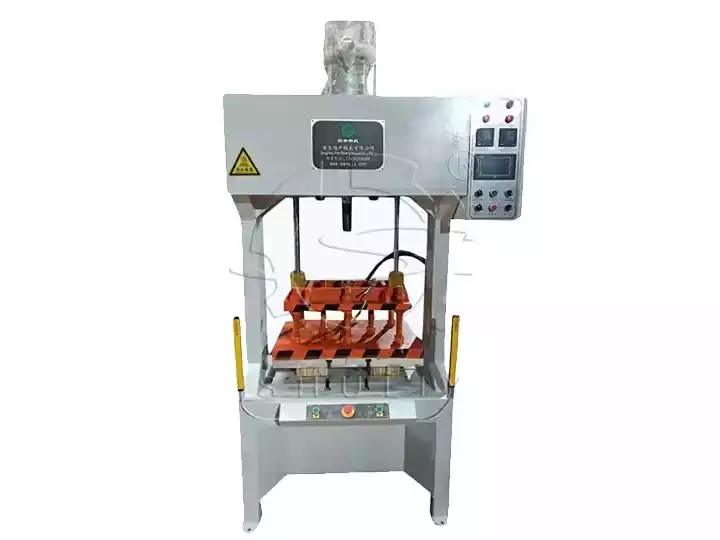
- हॉट प्रेस मशीन – प्रीमियम सतह उपचार उपकरण जो 200°C पर काम करता है ताकि पुल्प ट्रे सतह को चिकना किया जा सके। यह पोस्ट-प्रोसेसिंग कदम उत्पाद की उपस्थिति को बेहतर बनाता है, जिससे ट्रे उच्च अंत बाजारों, ब्रांडेड पैकेजिंग, और मुद्रित अनुप्रयोगों के लिए उपयुक्त हो जाती है। 5 टन और 15 टन दबाव मॉडल में उपलब्ध।
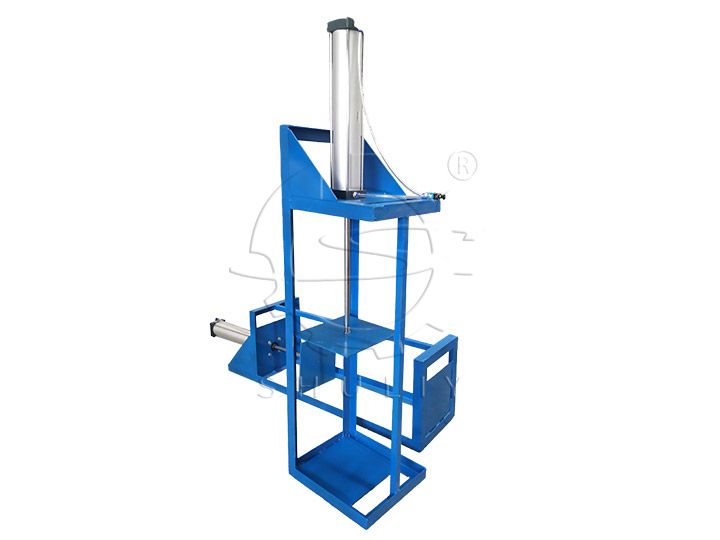
- अंडा ट्रे बेलर मशीन – उत्पादन लाइन के अंत में पैकेजिंग समाधान जो सूखे अंडा ट्रे को कॉम्पैक्ट बंडल में संकुचित करता है। भंडारण स्थान को 50-70% तक कम करता है और शिपिंग लागत को अनुकूलित करता है। प्न्युमेटिक ऑपरेशन सुरक्षित, कुशल संकुचन सुनिश्चित करता है। लंबी दूरी पर ट्रे भेजने या बड़े इन्वेंट्री स्टोर करने वाले व्यवसायों के लिए आवश्यक।
- बॉक्स-टाइप ड्रायर – स्थिर उत्पाद गुणवत्ता के लिए नियंत्रित सुखाने का वातावरण। मौसम पर निर्भरता समाप्त करता है और सुखाने का समय 24 घंटे से घटाकर 2-4 घंटे कर देता है। आर्द्र वातावरण या व्यवसायों के लिए आदर्श जो पूरे वर्ष उत्पादन स्थिरता चाहते हैं।
- सतत मल्टी-लेयर ड्रायर – उच्च दक्षता वाली स्वचालित सुखाने प्रणाली बड़े पैमाने पर संचालन के लिए। ट्रे कई तापमान क्षेत्रों में कन्वेयर बेल्ट पर चलते हैं, जिससे समान सुखाने में 30-60 मिनट लगते हैं। 3000 पीस/घंटा से अधिक क्षमता वाली उत्पादन लाइनों के लिए उपयुक्त।
These related products form a comprehensive ecosystem for egg tray manufacturing, from raw material preparation to final product packaging. Whether you’re starting small with a home-use machine or planning to scale up to industrial production, Shuliy provides equipment solutions for every production stage. Our engineering team can help design a customized production line that matches your specific capacity requirements, available space, and investment budget.
Ready to Start Your Egg Tray Business? Contact our sales team today for a free consultation and customized equipment quotation. We offer lifetime technical support, fast spare parts delivery, and comprehensive operator training to ensure your success in the sustainable packaging industry.